Bring Your Product to Life Fast with Virtual Design
Get FREE Info!
Resource Articles
Is Building a Prototype a Hard Process?
By MarketBlast®
Bring Your Product to Life Fast with Virtual Design
Get FREE Info!
Bringing
an idea to life often begins with building a prototype, a tangible model that
represents your vision. For many new inventors, the question arises: "Is
building a prototype a hard process?" While it can be challenging, it’s
not insurmountable. With the right guidance and resources, you can turn your
concept into reality. This guide will walk you through the complexities and
offer actionable advice to simplify the process.
Submit Your Prototype Directly to Leading
Companies!
MarketBlast® is a global platform for connecting directly with companies looking for new and innovative products available for license or sale.
Sign UpFree Today to Begin Submitting!
Why
Is Prototyping Important?
Prototyping
is a crucial step in the invention process because it:
Validates
Your Idea: A prototype demonstrates whether
your concept is feasible and functional.
Attracts
Stakeholders: Investors and
manufacturers are more likely to support a tangible model than an abstract
idea.
Identifies
Flaws Early: Prototypes
reveal design or functional issues that can be addressed before full-scale
production.
Improves
Communication: It’s easier to
explain your invention to others when they can see and interact with a physical
model.
While
essential, prototyping can feel intimidating, especially for those new to the
process. Let’s explore what makes it challenging and how to overcome these
hurdles.
What
Makes Prototyping Challenging?
1.
Uncertainty About Where to Start
New
inventors often struggle to know where to begin. Should you sketch your idea,
create a digital model, or start building right away? The overwhelming number
of options can stall progress.
Solution: Start with a clear plan. Outline your goals
for the prototype—whether it’s for functionality testing, design visualization,
or investor presentation.
2.
Technical Expertise
Many
prototypes require specific technical skills, such as 3D modeling, engineering,
or material selection. Lack of experience in these areas can make the process
seem daunting.
Solution: Use accessible tools like Tinkercad for 3D
modeling or collaborate with experts like engineers and designers. Online
tutorials and courses can also help you build the necessary skills.
3.
Cost Concerns
Prototyping
can be expensive, depending on the complexity of your invention and the
materials required. Some inventors hesitate to invest without knowing the
outcome.
Solution: Start small with a basic prototype using
affordable materials like cardboard or clay. Gradually refine it as you secure
funding or resources.
4.
Finding the Right Materials
Choosing
the right materials is essential for functionality and durability, but it can
be overwhelming to navigate the myriad options available.
Solution: Research materials commonly used in similar
products. Consult with suppliers or manufacturers for advice on cost-effective
and suitable materials.
5.
Iterative Nature of Prototyping
Prototyping
is rarely a one-and-done process. Iterations are often necessary to refine the
design, which can be time-consuming and frustrating.
Solution: Embrace iteration as part of the journey.
Each version brings you closer to the ideal product.
Steps
to Simplify the Prototyping Process
1.
Start with a Sketch
Put
your idea on paper. A simple drawing helps clarify your concept and serves as a
reference for further development. Don’t worry about artistic skills; the goal
is to map out your vision.
2.
Create a Virtual Model
Use
computer-aided design (CAD) software to create a 3D digital model of your
invention. Tools like Fusion 360 or SketchUp are beginner-friendly and allow
you to visualize your idea in detail.
Pro
Tip: Many CAD programs offer free trials,
so you can explore without financial commitment.
3.
Build a Basic Prototype
Start
with a low-fidelity prototype using inexpensive materials. This step is about
testing functionality, not creating a polished product. Examples include:
Cardboard models for structural concepts.
Clay or foam for ergonomic designs.
Arduino boards for simple electronic
components.
4.
Test and Iterate
Once
you have a basic prototype, test it to identify weaknesses or areas for
improvement. Collect feedback from potential users, peers, or mentors.
Example:
A simple cardboard prototype of a kitchen gadget might reveal design flaws,
like difficulty gripping or inadequate stability, that you can address in the
next version.
5.
Refine with Advanced Prototypes
As
you gain confidence and clarity, create a higher-fidelity prototype. This might
involve:
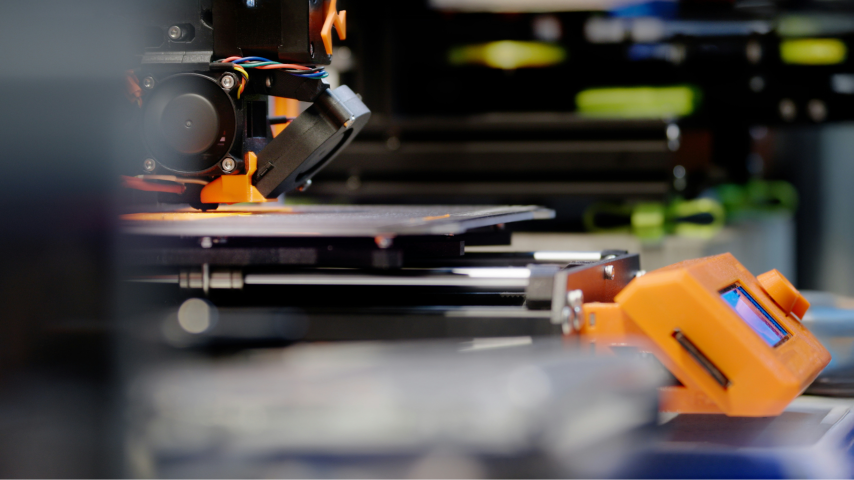
3D printing for precision.
Metal or wood for durability.
Custom electronics for functionality.
Working with professional prototyping services
or manufacturers can help achieve a polished product.
6.
Consider Outsourcing
If
certain aspects of the prototype are beyond your expertise, outsourcing can
save time and ensure quality. Many services specialize in areas like 3D
printing, CNC machining, and electronic assembly.
Tip:
Websites like Fiverr or Upwork can connect you with freelancers skilled in
specific aspects of prototyping.
Common
Prototyping Pitfalls and How to Avoid Them
1.
Over-Complicating the First Prototype
Trying
to perfect your first prototype can lead to delays and increased costs.
Solution:
Focus on functionality first. A simple model can reveal whether your idea works
before you invest in aesthetics.
2.
Ignoring User Feedback
Failing
to gather input from potential users can result in a product that doesn’t meet
market needs.
Solution:
Conduct user testing at every stage and incorporate feedback into your design.
3.
Skipping Research
Neglecting
to research existing solutions can lead to unnecessary reinvention or patent
infringement.
Solution:
Conduct thorough market and patent searches before starting.
Real-Life
Success Stories
James
Dyson: Persistence Pays Off
James
Dyson’s journey to inventing the bagless vacuum cleaner was a masterclass in
resilience and determination. Over the course of 15 years, Dyson built and
tested more than 5,000 prototypes before arriving at the final design that
revolutionized the vacuum industry. His unwavering commitment to solving the
problem of suction loss in traditional vacuums led to a product that not only
filled a gap in the market but also became a symbol of innovation. Dyson’s
story highlights the importance of learning from failures and using them as
stepping stones toward success, showing inventors that perseverance is key when
faced with challenges.
Sara
Blakely: Simplicity Wins
When
Sara Blakely invented Spanx, she didn’t rely on advanced technology or large
budgets. She simply cut the feet off her pantyhose to create a smoother, more
flattering foundation for clothing. Her ingenuity and ability to identify an
everyday problem that resonated with millions of women launched a
billion-dollar shapewear empire. Blakely’s story is a testament to how a simple
idea, rooted in solving a common issue, can grow into a monumental success with
the right combination of creativity, resourcefulness, and hard work. Her
journey also emphasizes the value of embracing unconventional methods and
trusting your instincts.
The
Role of Technology in Prototyping
Advancements
in technology have made prototyping more accessible than ever:
3D
Printing: Affordable and fast, 3D printers
allow you to create intricate designs with ease.
Online
Prototyping Services: Platforms like
Shapeways and Xometry provide on-demand manufacturing for prototypes.
AI
Tools: AI can assist in optimizing designs
or simulating product performance.
Fact:
Machine learning algorithms can identify up to 50% more market opportunities
than traditional methods.
In
Conclusion: Is Prototyping Hard?
Building
a prototype can be challenging, but it doesn’t have to be overwhelming. By
breaking the process into manageable steps, leveraging technology, and seeking
help when needed, you can transform your idea into a tangible model.
Remember,
every successful invention begins with a prototype. Embrace the process, learn
from each iteration, and stay focused on your ultimate goal. With determination
and the right approach, you’ll not only build a prototype but set the
foundation for a successful product.
Take
the first step today—your invention awaits!
Bring Your Product to Life Fast with Virtual Design
Get FREE Info!
Founded with the vision to transform the landscape for
monetizing and commercializing innovative products and brands, MarketBlast® is
the leading Product Hunt and Submission Management Platform connecting buyers
and sellers across the globe. Since our inception, we have been dedicated to
empowering small companies, startups, entrepreneurs and emerging brands to
connect directly with industry companies and accelerate their own marketing and
sales efforts to achieve lasting results.
At MarketBlast®, we believe that innovation thrives
on collaboration. Our platform provides seamless access to a diverse network of
companies, proprietary content marketing and advertising programs, and access
to a wide range of resources designed to support the overall journey toward
success.
For more information on signing up
for a premium membership or to start a content marketing campaign for your
products, email info@marketblast.com or visit MarketBlast®.
Other
Related Articles
Where to
Find Inventor Help Resources
How to Find
Invention Assistance Companies
